Perfect Posture: Standing Tall in Your Swimsuit
Good posture is one of the quickest and most powerful ways to instantly boost your confidence in swimwear. Learn how proper alignment transforms your appearance and how you feel.
The Transformative Power of Posture
Before you invest countless hours in the gym or stress about every detail of your appearance, consider this: improving your posture can instantly make you look taller, slimmer, and more confident—all without changing anything else about your body. Good posture is like a free instant makeover that also happens to be incredibly beneficial for your health.
When you stand tall with proper alignment, you naturally appear more poised and confident. Your abdomen looks flatter, your chest appears lifted, and you project an air of self-assurance that draws positive attention. Poor posture, conversely, can make even the fittest person look slouched, tired, and less confident than they actually feel.
Understanding What Good Posture Really Means
Good posture isn't about rigidly standing at attention or forcing your body into an uncomfortable position. Instead, it's about achieving natural alignment where your body is balanced and muscles work efficiently without strain.
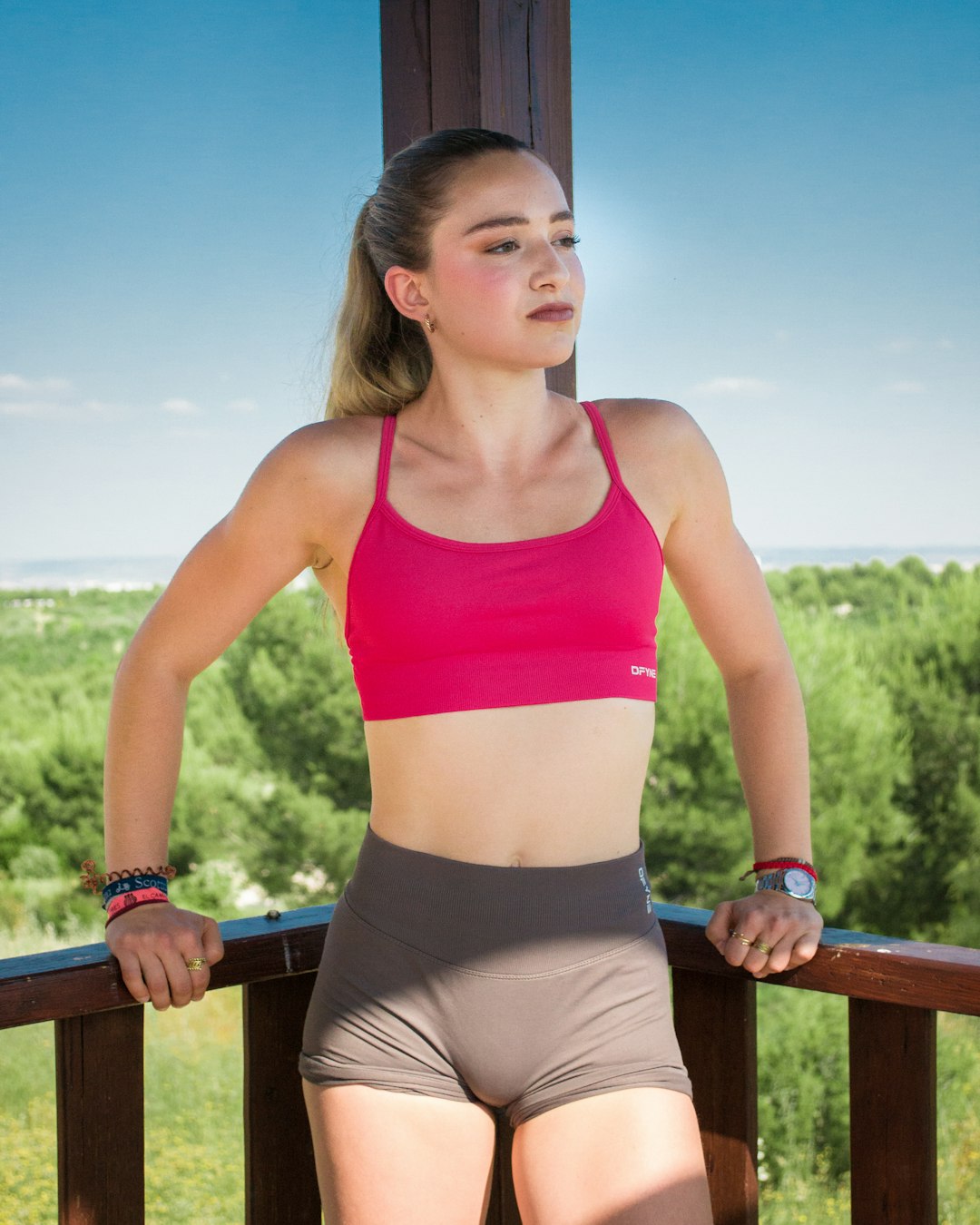
In proper standing posture, your ears should align with your shoulders, your shoulders with your hips, and your hips with your ankles when viewed from the side. Your weight should be evenly distributed across both feet, and your spine should maintain its natural curves—a slight inward curve in your lower back and neck, and a slight outward curve in your upper back.
Many people have developed postural habits that pull them out of this ideal alignment. Hours spent sitting at computers, looking down at phones, or engaging in repetitive activities can create muscle imbalances that affect how you naturally stand and move.
Common Posture Problems and Their Impact
Forward Head Posture
One of the most common postural issues in our technology-driven world is forward head posture, where your head juts forward ahead of your shoulders. For every inch your head moves forward from ideal alignment, it effectively becomes 10 pounds heavier for your neck and upper back muscles to support.
This not only causes neck and shoulder pain but also creates the appearance of a rounded upper back and can make you look shorter and less confident. In swimwear, forward head posture can be particularly noticeable and detract from your overall appearance.
Rounded Shoulders
Rounded shoulders occur when your shoulders roll forward and inward, often accompanied by a rounded upper back. This posture makes your chest appear smaller and can create the appearance of a "belly pooch" even if you have strong core muscles, because it compresses your torso.
This postural issue is extremely common among people who spend long hours sitting or working at computers. The good news is that with consistent stretching and strengthening, rounded shoulders can be significantly improved.
Anterior Pelvic Tilt
Anterior pelvic tilt is when your pelvis rotates forward, creating an excessive arch in your lower back and making your buttocks stick out. This posture can make your lower abdomen protrude even if you have low body fat, and it often contributes to lower back pain.
This issue is frequently caused by tight hip flexors and weak core and glute muscles—a common combination in people who sit for extended periods.
Exercises to Improve Your Posture
Wall Angels for Shoulder Alignment
Stand with your back against a wall, feet about six inches away from the wall. Press your lower back, upper back, and head against the wall. Raise your arms to shoulder height with elbows bent at 90 degrees, pressing your arms back against the wall.
Slowly slide your arms up the wall while maintaining contact with the wall, then lower them back down. Perform 10-15 repetitions daily. This exercise strengthens the muscles that pull your shoulders back and improves shoulder blade positioning.
Chin Tucks for Forward Head Posture
Sit or stand with your spine in neutral alignment. Without tilting your head up or down, gently draw your chin straight back, creating a "double chin." Hold for 5 seconds, then release. Repeat 10 times, several times throughout the day.
This simple exercise strengthens the deep neck flexors that help maintain proper head position and can significantly reduce forward head posture over time.
Chest Stretches to Counter Rounded Shoulders
Stand in a doorway with one arm raised to shoulder height, forearm resting against the door frame. Gently turn your body away from your raised arm until you feel a stretch across your chest and front shoulder. Hold for 30 seconds, then repeat on the other side.
Tight chest muscles are a major contributor to rounded shoulders, so regular chest stretching is essential for improving posture. Perform this stretch multiple times daily, especially after periods of sitting.
Hip Flexor Stretches for Pelvic Alignment
Kneel on your right knee with your left foot flat on the ground in front of you, forming a 90-degree angle. Keeping your torso upright, gently push your hips forward until you feel a stretch in the front of your right hip. Hold for 30 seconds, then switch sides.
Tight hip flexors pull your pelvis into anterior tilt, so stretching them is crucial for achieving neutral pelvic alignment and reducing lower back arch.
Glute Bridges for Posterior Chain Activation
Lie on your back with knees bent and feet flat on the floor, hip-width apart. Engage your core and squeeze your glutes as you lift your hips toward the ceiling, creating a straight line from knees to shoulders. Hold for a few seconds at the top, then lower back down. Perform 15-20 repetitions.
Strong glutes help maintain proper pelvic alignment and counteract the effects of prolonged sitting. They're essential for good posture and also contribute to a lifted, toned appearance in swimwear.
Daily Habits for Better Posture
Mindful Awareness
One of the most powerful tools for improving posture is simply becoming more aware of how you're holding your body throughout the day. Set reminders on your phone to check your posture every hour. When you notice yourself slouching, gently correct your alignment without overcorrecting or creating tension.
Over time, as your muscles strengthen and adapt, good posture will begin to feel more natural and require less conscious effort.
Optimize Your Workspace
If you work at a desk, ensure your workspace supports good posture. Your computer monitor should be at eye level so you're not constantly looking down. Your chair should support your lower back, and your feet should rest flat on the floor or on a footrest.
Consider using a standing desk for part of your workday, alternating between sitting and standing. Movement and position changes throughout the day help prevent the muscle fatigue and imbalances that contribute to poor posture.
Take Regular Movement Breaks
No matter how perfect your posture, holding any static position for too long creates muscle fatigue and stiffness. Set a timer to remind yourself to stand, stretch, and move every 30-45 minutes. Even brief movement breaks can prevent the muscle tension and imbalances that develop from prolonged sitting.
During these breaks, perform some of the stretches mentioned earlier, take a short walk, or simply change positions to give your muscles a break from maintaining the same posture.
Posture and Confidence: The Mind-Body Connection
The relationship between posture and confidence is bidirectional—not only does feeling confident lead to better posture, but improving your posture actually makes you feel more confident. Research has shown that adopting an upright, expansive posture can increase feelings of power and confidence while reducing stress hormones.
This phenomenon, sometimes called "embodied cognition," means that by consciously improving your posture, you can actually influence your emotional state and self-perception. When you stand tall in your swimsuit, you're not just appearing more confident to others—you're genuinely feeling more confident from the inside out.
Breathing and Posture
Proper breathing is intimately connected with good posture. Slouched posture compresses your diaphragm and restricts your breathing, leading to shallow chest breathing that can increase feelings of stress and anxiety.
Practice diaphragmatic breathing: place one hand on your chest and one on your belly. As you breathe in, your belly should expand while your chest remains relatively still. This deep breathing pattern not only reduces stress but also naturally encourages better postural alignment by engaging your core stabilizing muscles.
The Role of Core Strength in Posture
While we often think of posture as primarily about shoulders and spine position, your core muscles play a crucial role in maintaining proper alignment. A strong core provides the foundation for good posture by supporting your spine and pelvis.
This is why core strengthening exercises and posture work go hand-in-hand. As you develop stronger core muscles through exercises like those discussed in our core strengthening article, you'll find it easier to maintain good posture throughout the day.
Immediate Posture Improvements for Swimwear
When you're getting ready to wear your swimsuit, there are some quick adjustments you can make for an immediate posture improvement. Stand with your weight evenly distributed on both feet. Imagine a string pulling the crown of your head toward the ceiling, lengthening your spine. Draw your shoulder blades gently back and down without forcing them or creating tension.
Engage your core slightly—not a strong contraction, just a gentle activation that supports your spine. Allow your arms to hang naturally at your sides. Take a few deep breaths, feeling your body settle into this aligned position.
These small adjustments take just seconds but can dramatically transform your appearance and how you feel in your swimwear.
Standing Tall with Confidence
Improving your posture is one of the most impactful things you can do to boost your confidence in swimwear. Unlike many aspects of appearance that require weeks or months to change, posture improvements can create visible differences immediately while also providing long-term health benefits.
By incorporating the exercises and daily habits discussed in this guide, you'll develop the strength and awareness needed to maintain excellent posture naturally. Remember that perfect posture isn't about rigid tension—it's about balanced, efficient alignment that allows you to move and exist in your body with confidence and ease.